
Billy Twirling through Time
The Only Boy in Ballet

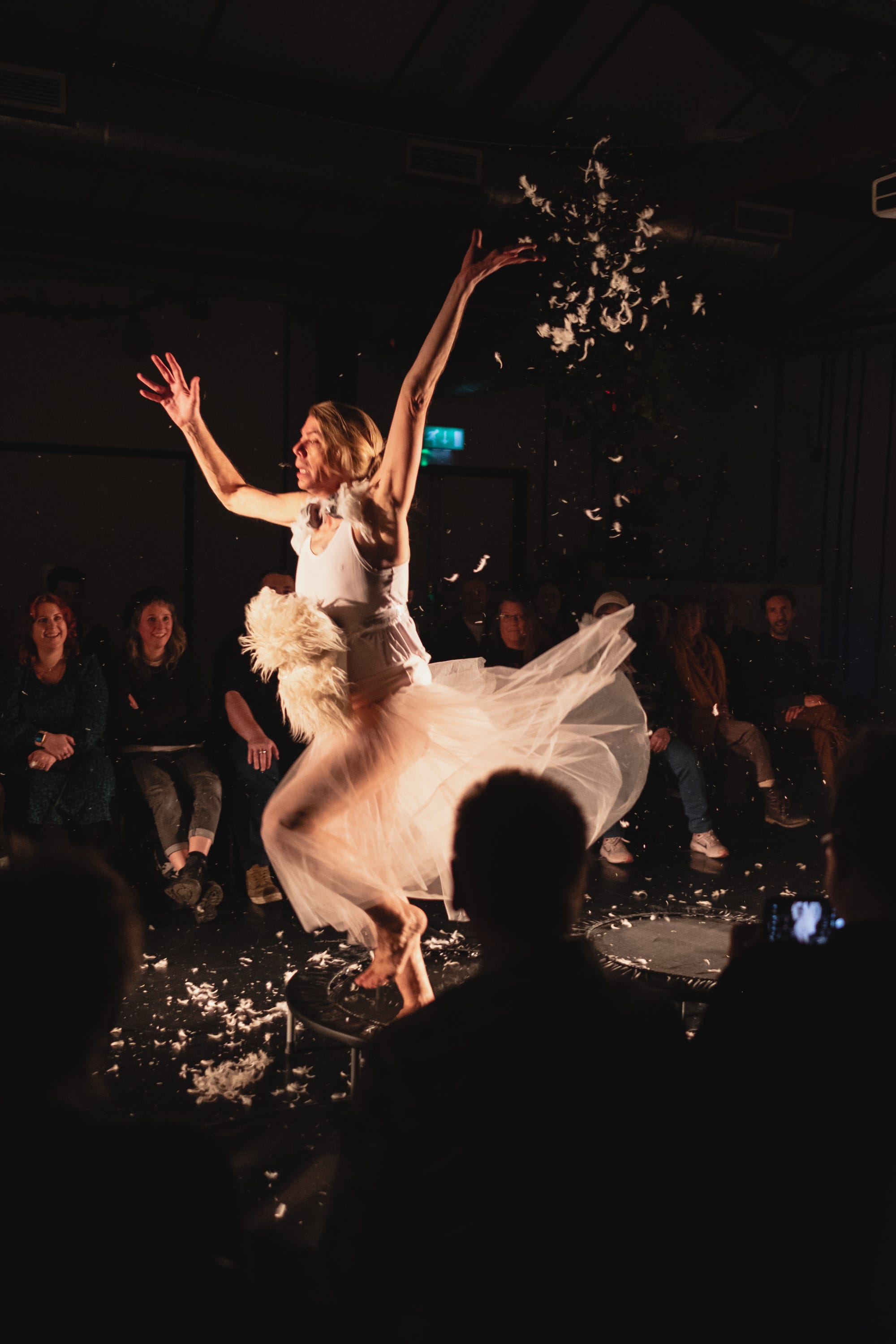
This Christmas, Ryan O’Shea and I are bringing back our show Billy Twirling Through Time. It’s a piece we created last year on the tightest of budgets and in a very short space of time, and we’re thrilled to be touring it again—this time to Margate at the Arc and London at the pleasance, after performing in Aberystwyth last week.
Here’s a short monologue I perform in the show: an exploration of Billy and of myself, and an investigation into aging and dance………
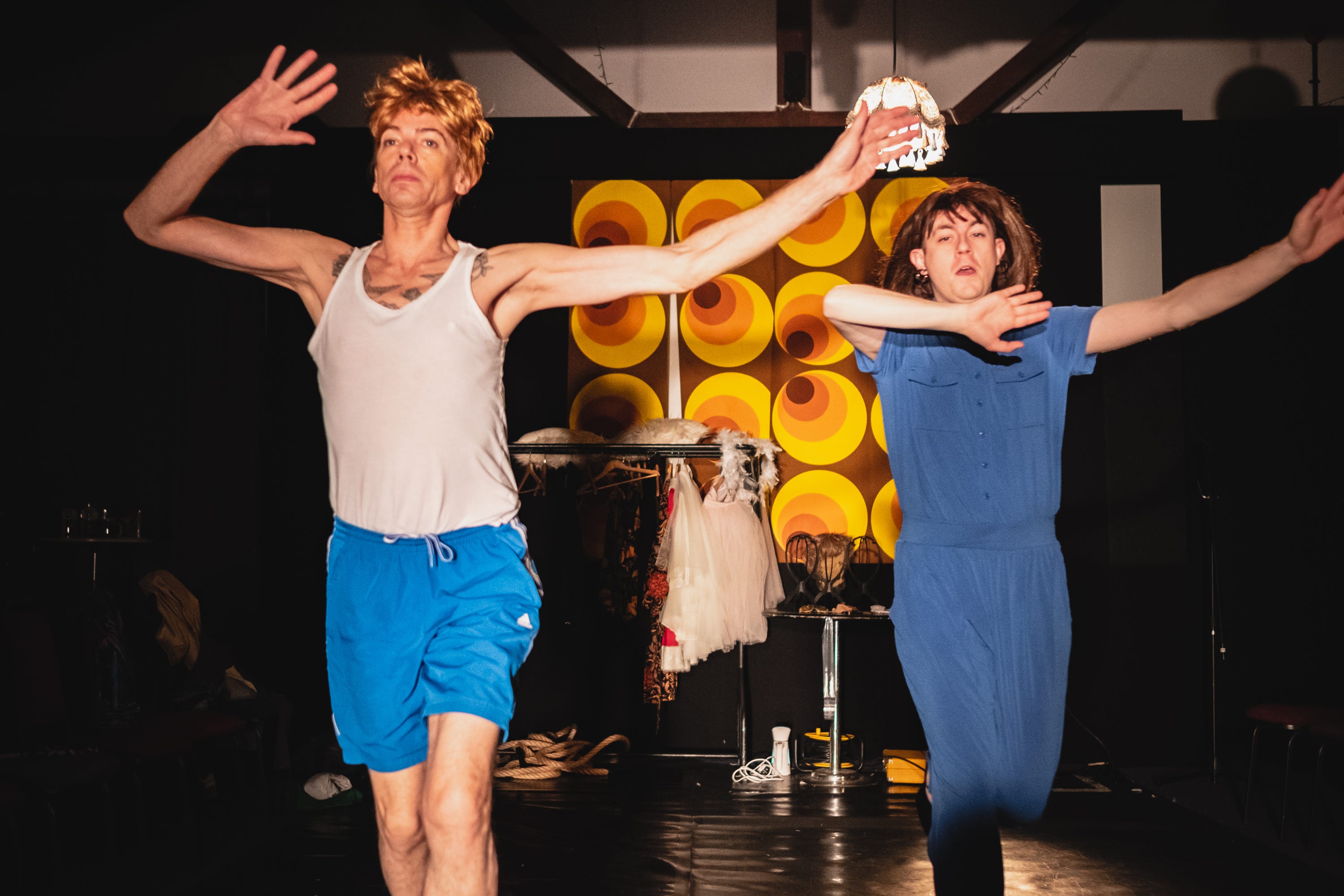
Billy Elliot tells the story of an 11-year-old boy from a coal-mining family in the north of England in 1984 who discovers ballet aspiring to become a professional dancer.
When I was 11, I wasn’t in a mining town, but in a working-class corner of North Bristol, known more for the aerospace industry than the arts.
Growing up in the 70s and 80s, I remember the strikes at the factories, my dad being called a “scab” because he kept working. I remember the blackouts, a reaction to the strikes, the power simply gone, the cold mornings, Thatcher taking away the free school milk, and the Christmas parties with Babycham bottles clinking under fluorescent lights.
In a prefab hall beside a busy dual carriageway, I was the only boy in tap, modern, and ballet classes, standing there week after week, determined, proud, maybe a little defiant.
Outside, another boy always waited. Too nervous to come in.
My dance teacher told me, “Smile at him. Say something encouraging.”
So each week, as I left, I’d say, “Hi. You should come in.”
And one day, he did.
We stood together at the back of the class, two boys trying to find our rhythm. He became my friend for a while. He was a beautiful dancer — easeful, effortless. I’d watch him leap and turn, light as air, and that’s when I realised, quietly, that I couldn’t dance the way he did.
But I loved dancing beside him all the same.
Then one day he stopped coming.
We’re both in our fifties now. And I think about him more often than seems reasonable for someone I knew so briefly.
Where is he?
Does he still dance somewhere?
Would I dance with him again, if he appeared in the doorway like he once did?
Would we have been dance partners?
Was he even queer or is that just the story I’ve given him, the story of what might have been?
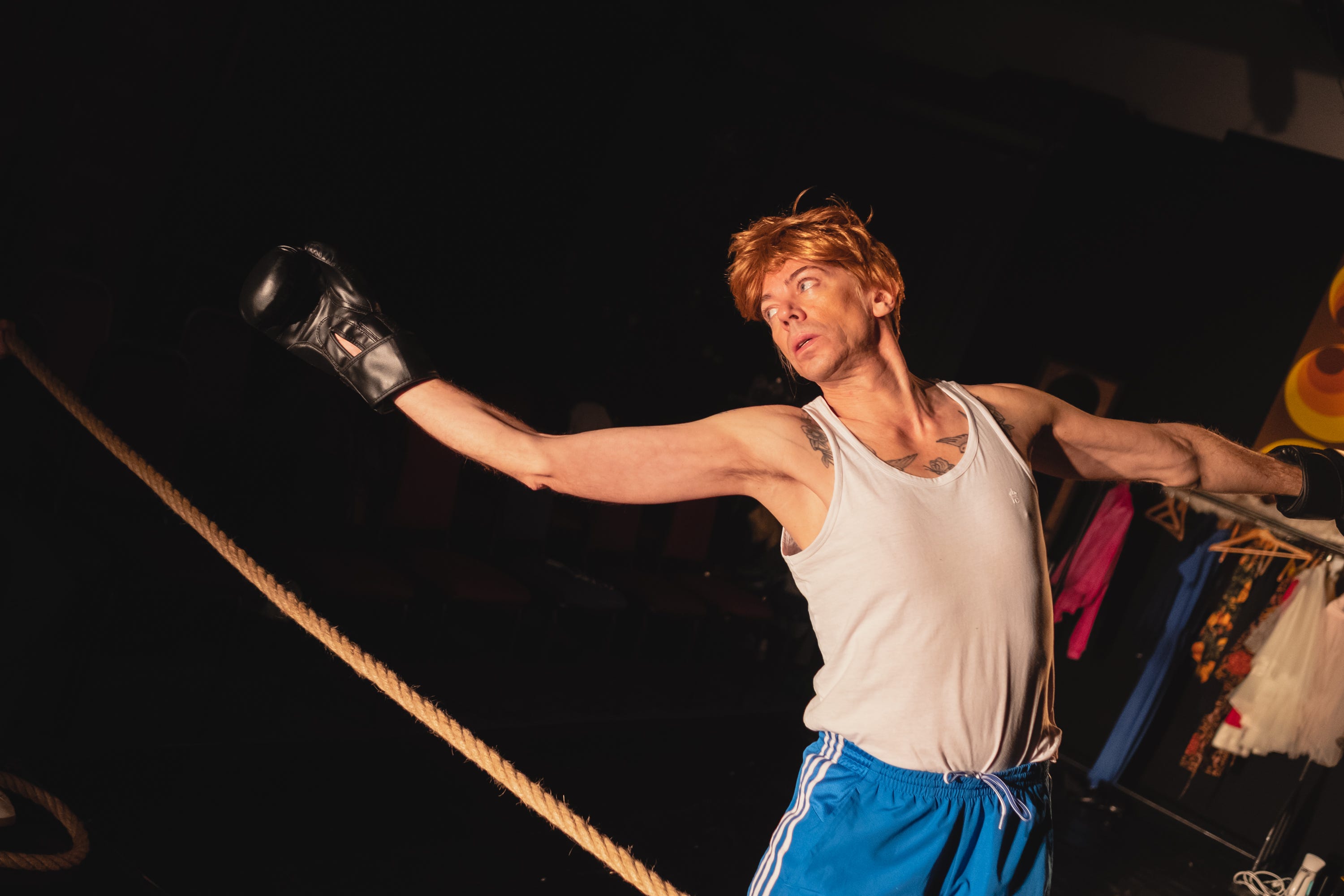
After I stopped dancing, my dad, trying to redirect my energy, put me into boxing. I wasn’t keen. Eventually I settled into the Cubs. Mum sewed my badges on, usually upside down and the group was so relaxed that our main purpose seemed to be the annual Christmas Gang Show. I always ended up as the pantomime Dame.
One year, at around 12, I stood under the stage lights and sang:
“Nobody loves a fairy when she’s forty,
Nobody loves a fairy when she’s old.”
There I was: a child in taffeta and a wig, singing about ageing, fading magic, and vanishing applause.
I was already learning about time.
About loss.
About the fragile shimmer of what could have been.
About boys who once danced at the back of a hall `
(images Charlie Williams)
.